
Elizabeth Chubbuck Weinstein: Richard C. Albertine, Gebunden
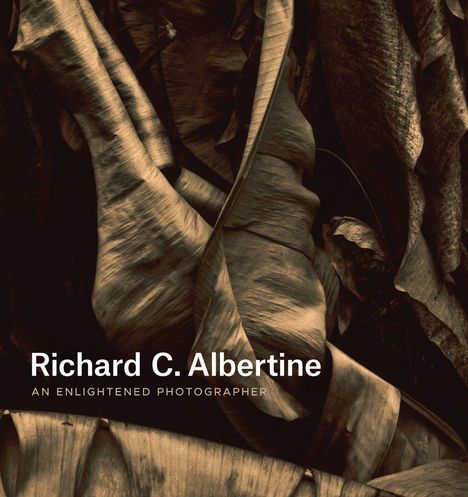
Richard C. Albertine
- An Enlightened Photographer
Lassen Sie sich über unseren eCourier benachrichtigen, sobald das Produkt bestellt werden kann.
- Verlag:
- LSU Press, 05/2027
- Einband:
- Gebunden
- Sprache:
- Englisch
- ISBN-13:
- 9780807188835
- Umfang:
- 160 Seiten
- Maße:
- 216 x 203 mm
- Stärke:
- 13 mm
- Erscheinungstermin:
- 25.5.2027
- Hinweis
-
Achtung: Artikel ist nicht in deutscher Sprache!
Ähnliche Artikel


Klappentext
Richard Chase Albertine (1944--2016) was among the notable photographers of the 1960s and 1970s who experimented with photography as an art form. Though Albertine's photographs are held in the collections of major museums across the country and featured in past traveling exhibitions put on by the likes of Polaroid, the Smithsonian, and the National Gallery of Art, his recognition waned shortly after his death. A poignant reintroduction to this renowned artist, Richard Albertine: An Enlightened Photographer is the first publication to explore his life and struggles and features more than fifty full-page reproductions of his unique work.
Albertine studied at the Rochester Institute of Technology, arriving at a time when the city was a hotbed of creativity and innovation not only for the photographic industry (Eastman Kodak Company was headquartered there) but also for art photography, which was on the verge of recognition by museums and galleries as a valid fine-art format. He went on to study at the Massachusetts Institute of Technology under Minor White (1908--1976), one of the most important photographers of the twentieth century. Albertine adopted much of his mentor's philosophy, most notably White's views on photography as a spiritual encounter. Like White, he considered the photographic print to be more than a visual record; it was also a conveyor of the artist's inner experience shared vicariously with the viewer. What the viewer felt emotionally when presented with an image, rather than what the viewer saw, was its most important aspect.
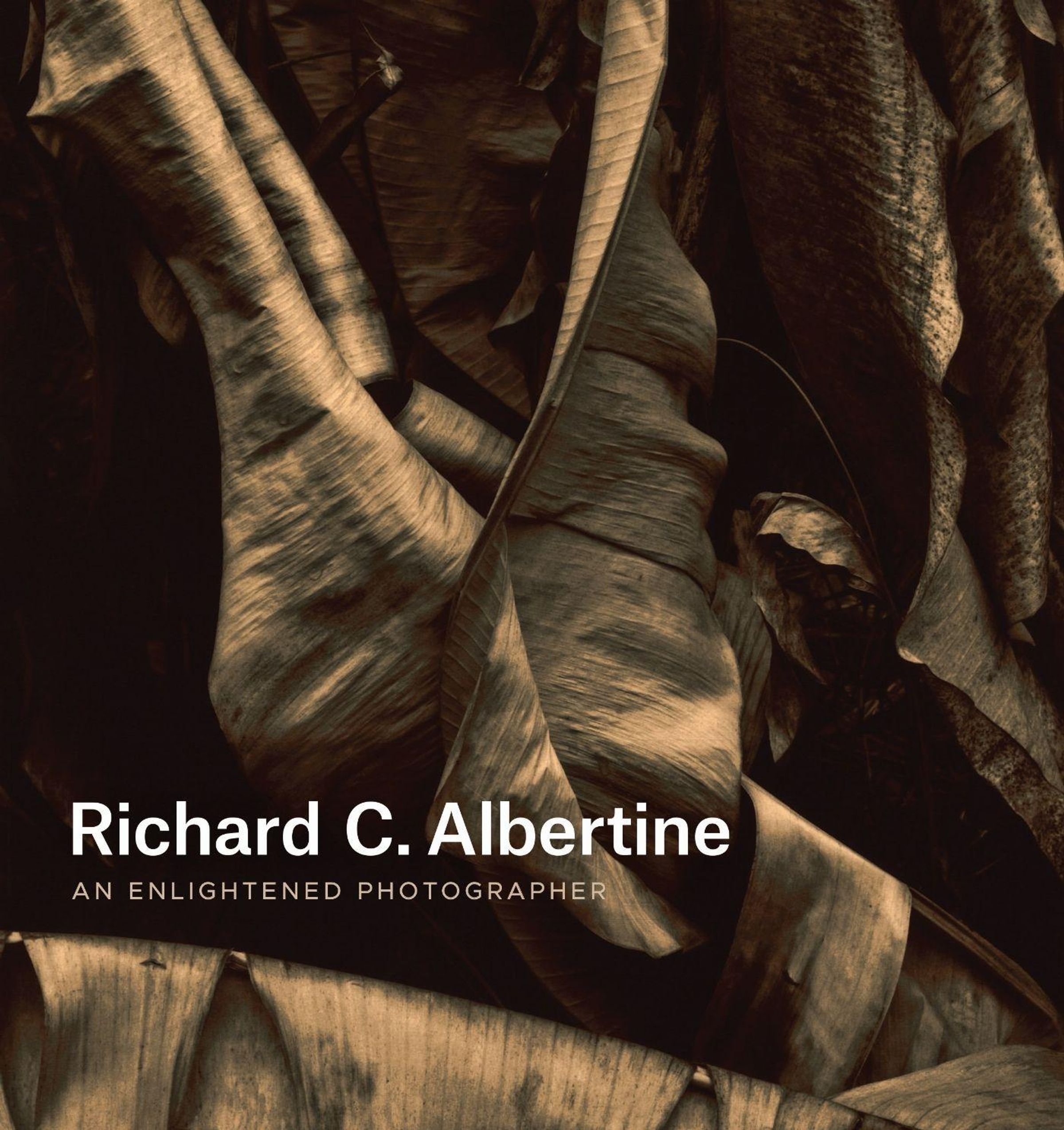
Albertine had an unusually keen understanding of the photographic process, and he believed that the photographer's inner journey culminated in an "enlightenment" during the alchemical process of making prints. Preferring black-and-white film, he invented a split-tone technique that resulted in tonal effects ranging from pinks and browns to blues. His chemical combinations, impossible to duplicate, resulted in unique, one-of-a-kind prints.
In 1978, Albertine arrived in Baton Rouge to teach at Louisiana State University's emerging photography program. Falling in love with the lush southern landscape, he eventually settled there. Despite difficulty retaining employment, he continued to rise within the emerging art photography field. His work consistently received awards in major competitions, won grants from Kodak and Polaroid, and appeared in prestigious publications such as Aperture and Time-Life. At the height of his career, his health began to deteriorate. He withdrew from public life entirely nearly a decade before his death in 2016.